





















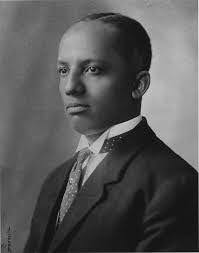
Black History Month was recognized and dedicated to the month of February in 1971, but the origin goes back 50 years when Carter G. Woodson had a vision for promoting and educating black history.
Carter G. Woodson was born in 1875 to two illiterate, former slave parents. Woodson became a teacher and school principal before earning a Bachelor’s degree in literature. In addition to earning his master’s from the University of Chicago, he became the second African American to earn his Ph.D at Harvard University after W.E.B Du Bois. He believed history was white-dominated and the historical profession had little interest in black history. Woodson stated black contributions in history were “overlooked, ignored, and even suppressed by the writers of history textbooks and the teachers who use them.” His contributions led to the establishment of Black History Month. NAACP – Carter G. Woodson
Today, it is a celebration of the achievements African Americans have made over the course of hundreds of years and how they have shaped US history. This designation gives educators the very important opportunity to highlight and celebrate black voices that have historically
been silenced.
To help students understand the significance of the bravery of these individuals, schools must have the resources to educate students.
Here are 5 ways schools can achieve this:
1.Invite guest speakers to talk and educate students on black history.
Enobe Bell offers insight into social justice and leadership and comes from a diverse background. Bell, a business owner and speaker, shines bright in the world of LGBTQ issues, media, and activism. Claybrone Carson is highly educated in the study of civil rights, as he has written several books and articles. Carson is an author and civil rights historian, founder of the MLK Research and Education Institute.
2. Give students the opportunity to go on a field trip to the National Underground Railroad Freedom Center.
The National Underground Railroad Museum is an exhibit located in downtown Cincinnati, which hosts five dynamic programs throughout February from 10 a.m – 5 p.m, featuring speakers, screenings, performances, and an interactive workshop. Information here
3. Dedicate a bulletin board to prominent abolitionists and how their actions contributed to the change.
Visually representing Black history, along with black students, creates a welcoming and diverse environment. These boards can showcase achievements by African Americans in science, technology, art, and civil rights, inspiring students from all backgrounds.
4. Require English departments to dedicate 30 minutes out of the week to discuss black history and where we would be today if prominent abolitionists didn’t exist.
Allow educators to teach through primary documents such as slave dairies, speeches, and contemporary interviews. Additionally, providing any type of texts written by Black people and any type of struggle they went through to publish the piece, if any, is also helpful.
5. Have crossword puzzles, word searches, ect about black history in students’ free time.
This can include: Relevant holidays, important dates of protests, legislative acts passed, key figures, etc.
Its important to not gloss over the reality of oppression and slavery. Students often end up learning about the same few black heroes in history. Black history is full of untold or rarely told stories.
“Educators should teach Black History because it is American history. To understand history truthfully and accurately, it must include the perspectives, struggles, and achievements of Black people,” stated Tamar LaSure Owens, a third-grade teacher at Leeds Avenue Elementary School in Pleasantville, NJ. We Will Never Stop Teaching African American History