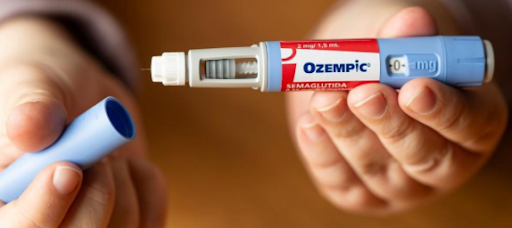
One in eight Americans are currently taking a “miracle weight loss drug”. These drugs, known as GLP-1’s, are medications originally studied for type 2 diabetes management. However, more people have been prescribed GLP-1’s for weight loss due to its appetite-suppressing effects.
‘GLP-1’ stands for glucagon-like peptide-1, a hormone that the body naturally produces after eating to regulate blood sugar and appetite. GLP-1 medications act as agonists on these receptors, meaning they mimic the hormone to cause similar effects, thus the appetite suppressing properties. There are two main medications used: semaglutide (brand name Ozempic or Wegovy) and tirzepatide (Mounjaro and Zepbound). These medications currently advertise minimal side effects such as indigestion, nausea, headaches, and abdominal pain. However, a new study conducted by the University of Pennsylvania suggests more severe symptoms not previously mentioned.
The study looked at over 67,000 case studies of GLP-1 users from 2021-2026. They found that 4% of female users report irregular menstrual cycles as well as hormonal irregularities resulting in hot flashes, chills, and mood swings. 13% of users also reported psychiatric symptoms like insomnia, anxiety, and depression. 5% of users experienced more severe physical symptoms like dizziness, severe stomach pains, and acid reflux. While these numbers may seem insignificant, it is important to understand that, when it comes to medications, even a few users experiencing a symptom could mean the medication is causing it (even if the majority of the population does not experience the symptom).
Weight-loss physician Dr. Sue Decotiis stated symptoms such as fatigue could be explained by known side effects of the medication like hypoglycemia (low blood sugar) and dehydration. Limitations of the study also include a majority male population and small sample size compared to population size. It is unclear how the FDA may choose to use this study and if the side effects advertised by companies will change.