Caffeine has become a daily companion for many students trying to juggle school, homework, sports, and more. From energy drinks or teas, caffeine is often seen as a quick fix to combat fatigue and stay alert through long study sessions or early morning classes. It’s marketed as the boost students need to sharpen focus and power through demanding schedules
Students today are busier than ever, and caffeine has quietly become a normal part of that lifestyle. Between early alarms, late night homework, and stacked schedules of extracurriculars, many teens feel like they are always running out of energy. For a lot of us, grabbing an energy drink or sipping on ice coffee feels like the easiest way through another long day. Many students at Oak Hills agree that they focus better with caffeine, while some go as far to say that they can’t wake up without it.
Caffeine use is especially visible among student athletes, who aren’t just expected to pass classes; they’re also expected to perform at a high level on the field, court, or mat. For them caffeine can seem like a performance tool and not just a drink. As junior Brandon McFarland explains it “I personally use caffeine mostly for sports, especially for wrestling. As tournaments can be early in the morning and last for a while, I catch myself being drowsy and I’ve always carried an Alani energy drink”. His experience is common to others in the Oak Hills community to combat drowsiness.
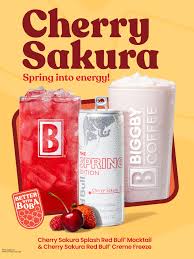
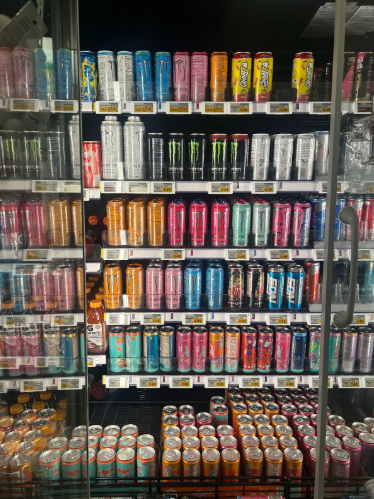
Yet is the “boost” students feel from the energy drinks always real or is it a placebo effect? In addition, caffeine tends to be common due to how it is marketed and packaged. Energy drinks are often designed to appeal to students and young adults. Composing bright colors, bold fonts, and exotic flavors that taste sweeter than stated. These drinks are also easily accessible, frequently sold at gas stations, vending machines, or even in the school cafeteria, like the Mountain Dew Kick Starts that Oak Hills offers. Although it is notable that the caffeine amount is lower than other competitors, some brands even sponsor athletes or teams, creating the idea that caffeine is part of their training. However does the marketing prove its effects as advertised?
Students aren’t just imaging the effects of their morning coffee or energy drink, research backs it up. The National Library of Medicine reports that university students commonly use caffeine to “enhance mood and performance” or to “feel more alert” which their reasoning all points to the same idea. Its effects are associated with an increase in academic performance. At the same time, the same research links higher caffeine intake can develop “ higher prevalence of poor sleep quality”. Showing that the boost students rely on to get through a long day can quietly chip away the rest and recovery they would need for the end of the day.
So then is caffeine inherently bad? The truth is no, in moderation at least. The FDA generally agrees that “400 milligrams is an amount not generally associated with negative effects”. That is for adults, for teens. It is usually encouraged to stay well under that level. Once students start stacking multiple energy drinks, large coffees or even sodas in the same day. Then more severe effects can occur like heart, headaches, trouble sleeping. So keeping the intake low can involuntarily help your health rather than help you “feel” focused.
Ultimately, caffeine isn’t going away, and most students in all likelihood will probably use it in some form. Ranging from a fresh morning brewed coffee, or a fresh ice cold Red Bull energy drink. It’s starting to become a social norm in teenagers, like Brandon McFarland, who can all agree that they rely on caffeine for an energy and performance boost. Yet raises a bigger question for students; if caffeine has become a secret weapon for surviving school, will it help them survive in the real world?